What are Best Skin Tightening Treatments for Face
The best skin tightening treatments for face are radiofrequency (RF) therapy and RF microneedling for most people in Canada. They firm mild to moderate sagging with little to no downtime, and single sessions start around $250 to $600 CAD at Canadian clinics. If you want a deeper lift without surgery, ultrasound therapy reaches further into the skin but costs more. This guide explains how each skin tightening treatment works, what it costs in Canada, what a session feels like, and how to pick the right one for your skin.
What Is Skin Tightening and How Does It Work?
Your skin stays firm because of two proteins: collagen and elastin. Your body makes less of both as you age, so skin slowly loses its bounce and starts to sag.
Some habits speed this up. The main ones are:
Sun exposure without sunscreen
Smoking and tobacco use
Poor diet and low hydration
Big weight changes that stretch the skin
Skin tightening treatments reverse part of this process. They send controlled heat or tiny micro-injuries into the deeper layers of your skin. This wakes up your body's natural repair system, and your skin starts building fresh collagen again. The surface stays safe, and the firmness builds from the inside out.
One thing to know early: results are not instant. New collagen takes time to grow, so most people see their best results over 3 to 6 months.
Quick Answer: Which Treatment Is Best for Your Face?
Here is the short version before we go deeper. Match the treatment to how much sagging you see:
Toronto clinics such as Signature Cosmetic Clinic list ultrasound (Ultherapy) treatments from $1,200 for small areas to $4,000+ for full face and neck, while Edmonton's Albany Cosmetic and Laser Centre lists RF microneedling from about $450 per session. Prices in your city may differ, so always confirm with a consultation.
The Main Types of Skin Tightening Treatments
Most professional treatments use one of a few energy types. Each one heats the skin at a different depth.
Radiofrequency (RF) Therapy
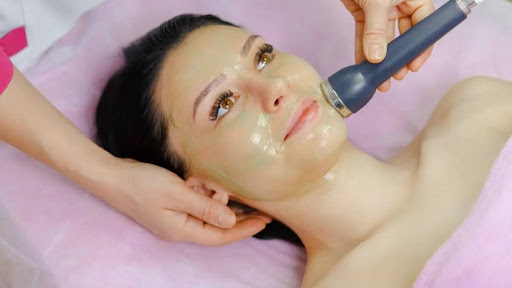
RF devices send radio waves that gently heat the upper layers of your skin. The heat tells your body to make new collagen. Sessions feel like a warm massage, and you can go back to work right away.
Most people need 2 to 6 sessions for full results. With good skincare after, results can last up to three years.
Ultrasound Skin Tightening
Ultrasound sends focused heat up to 5 millimetres below the surface. That is deeper than RF, which is why it lifts the jawline, neck, and brow so well. Results appear over two to six months and often last a year or more.
Laser Skin Tightening
Lasers deliver heat through the outer skin layer into the dermis below. This tightens the skin and also improves sun damage and dull texture at the same time. Most people book three to five sessions.
RF Microneedling (Morpheus8)
This treatment combines tiny needles with RF energy. The needles reach deep layers regular treatments miss, so it firms sagging jowls and loose neck skin while smoothing texture. It works well on many skin tones.
Intense Pulsed Light (IPL)
IPL uses pulses of light to warm the deeper skin. Clinics often pair it with RF so one visit treats firmness, redness, and dark spots together. IPL does not suit tanned or deeper skin tones as well, so an assessment matters here.
Two Options Most Guides Skip: PRP and the "Botox Lift"
PRP skin rejuvenation uses your own blood plasma. A provider spins a small blood sample, collects the growth factors, and applies them with microneedling. Your own cells then drive the repair. People who want a natural approach love this option, especially for mild sagging under the eyes and around the mouth.
Neuromodulators like Botox® are famous for smoothing wrinkles, but providers also use them for a subtle lift. Relaxing certain muscles around the brows and jawline lets the skin sit higher. This "Botox lift" suits people who want early, light intervention rather than a full treatment plan.
What to Expect Before, During, and After Treatment
Knowing the process removes most of the worry. Here is how a typical treatment journey looks.
Before: Your provider reviews your health history and examines your skin. Tell them about any medications and supplements you take. Dermatologic surgery groups such as the ASDS also advise you to stop blood-thinning drugs about two weeks before treatment, with your doctor's approval, and to come in with realistic expectations.
During: Most sessions take 15 to 90 minutes. RF and IPL feel warm and gentle. Microneedling feels like tiny pricks, and your provider can apply numbing cream first. Most people rate the discomfort as very low.
After: You may see mild redness or slight swelling. Redness usually fades within a few hours, and most people return to normal activities the same day or the next day. Then the quiet part begins: your skin builds collagen for the next 3 to 6 months, and the firming shows up gradually.
Benefits and Honest Limits
These treatments earn their popularity for clear reasons:
No surgery and no scars - most sessions finish in under an hour
Little to no downtime - you return to your day right away
Natural-looking results - your own collagen does the work
Lower cost than surgery - sessions cost far less than a facelift
They also have real limits, and a trustworthy guide says so. Results appear slowly, not overnight. You need repeat sessions to keep the results. And no non-surgical treatment fixes advanced sagging from major weight loss, pregnancy, or later-stage aging - heavy jowls or very loose skin usually need a surgical option for a dramatic change.
Who Is a Good Candidate?
Non-surgical skin tightening suits people with mild to moderate skin laxity, according to the American Board of Cosmetic Surgery. If you notice early softening along the jawline, faint lines, or skin that looks less firm than before, you sit right in the sweet spot.
Skip these treatments for now if you are pregnant, have an active infection in the treatment area, or have a blood-clotting condition. A quick consultation sorts this out fast. At Panache Studio, a skin assessment comes before any treatment plan, so you only book what your skin actually needs.
Do Creams and At-Home Devices Work?
Here is the honest answer: only a little. The American Academy of Dermatology says skin-firming creams give slight results at best, because creams cannot reach the deep layers where sagging starts.
Creams still play a support role. Products with retinoids, vitamin C, peptides, and niacinamide improve fine lines over months of steady use. Daily sunscreen protects the collagen you already have. Think of skincare as the maintenance crew and professional treatments as the construction team.
How to Choose the Right Treatment
Use this simple decision path:
Early, mild laxity + zero downtime: start with RF therapy or IPL-plus-RF sessions
Sagging plus texture, scars, or large pores: choose RF microneedling
Noticeable jawline or neck laxity: ask about ultrasound therapy
Tight budget: book a microneedling package and stay consistent
Advanced sagging: speak with a surgeon about your options honestly
Whichever route fits, pair it with sunscreen, hydration, and a simple skincare routine. Clients who combine in-clinic treatments with regular professional skincare and facials hold their results much longer.
Ready to find your fit? Book a free skin consultation at Panache Studio in Langley - the team assesses your skin, explains your options in plain language, and builds a plan around your budget. Walk-ins are welcome seven days a week.
Frequently Asked Questions
What is the most effective skin tightening treatment for the face?
RF microneedling and radiofrequency therapy work best for most faces with mild to moderate sagging. They firm skin with little downtime. For deeper lifting along the jawline and neck, ultrasound therapy reaches further into the skin, though it costs more per session in Canada.
Does skin tightening really work?
Yes. Energy-based treatments like RF, ultrasound, laser, and IPL heat the deeper skin layers and trigger fresh collagen growth. Studies and dermatology groups confirm they improve firmness and elasticity. Results build gradually over three to six months and need occasional maintenance sessions to last.
How much does skin tightening cost in Canada?
Canadian clinics charge roughly $250 to $1,200 CAD per session for RF treatments, $450 to $800 for RF microneedling, and $1,200 to $4,000 for ultrasound therapy, depending on the area treated. Most people need a package of several sessions for full results.
How long do skin tightening results last?
Most results last one to three years, depending on the treatment, your age, and your skincare habits. RF results can last up to three years with good aftercare. Yearly touch-up sessions, daily sunscreen, and a steady skincare routine help you keep the firmness longer.
Is skin tightening treatment painful?
Most people find it very comfortable. RF and IPL feel like gentle warmth on the skin. Microneedling causes tiny pricks, and providers apply numbing cream to keep you comfortable. Any redness or warmth after a session usually fades within a few hours.
Do skin tightening creams actually work?
Creams give only small, temporary results because they cannot reach the deep skin layers where sagging starts. Products with retinoids, peptides, and vitamin C support skin health and soften fine lines over time, but professional treatments produce far stronger firming results.